
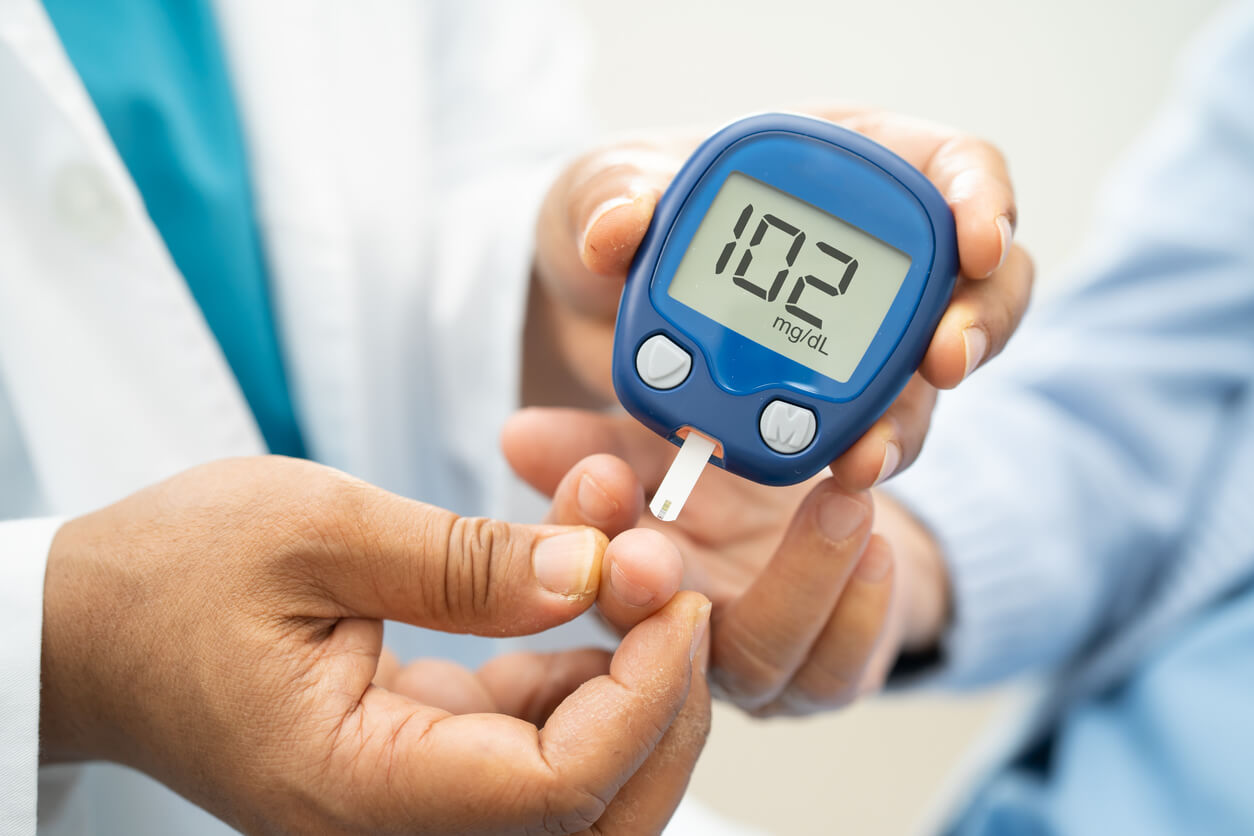
In short,
- Diabetes care includes several stages, from initial consultation to annual comprehensive exams.
- There are actionable steps you can take to help ensure you receive the right type of diabetes care, like asking your care team questions and taking action in managing your lifestyle.
- You can live a healthy life with diabetes through healthy management techniques.
Finding a Local Wellington Diabetes Doctor for Comprehensive Care
For Wellington residents needing diabetes care, a qualified local Wellington diabetes doctor is essential. A local specialist offers personalized treatment, support, and convenient access. This fosters a strong patient-provider relationship and understanding of individual needs.
What to Expect
Diabetes care typically involves these stages:
- Initial Consultation:Review of medical history, physical exam, and blood tests (A1C, fasting glucose, lipid panel). Discussion of lifestyle, diet, and medications.
- Diagnosis and Treatment Planning:Diagnosis confirmation and personalized plan development based on test results. This may include lifestyle changes, medication, and monitoring.
- Follow-up Appointments:Regular check-ups to monitor blood glucose, adjust medication, and provide education and support. Frequency depends on individual needs.
- Annual Comprehensive Exam:Evaluation to screen for diabetes-related complications (eye exam, kidney function tests, foot exam).
Detailed Timeline and Stages
Let’s break down what you can expect during each stage of diabetes management with your Wellington doctor:
- Initial Consultation:
- Day 1-3:Scheduling the appointment and receiving pre-appointment instructions (e.g., fasting blood work).
- Day 7-14:The consultation itself. Expect a thorough review of your medical history, including family history of diabetes, current medications, and any existing health conditions. A physical exam will be conducted, including checking your blood pressure, weight, and possibly a brief neurological assessment. Blood tests will be ordered to assess your blood glucose levels (A1C, fasting glucose), kidney function, and cholesterol levels.
- Post-Consultation:Your doctor will discuss initial concerns and may provide immediate recommendations regarding diet or lifestyle.
- Diagnosis and Treatment Planning:
- Day 1-7 (after consultation):Blood test results are analyzed. Your doctor will contact you to discuss the results and confirm a diagnosis of prediabetes or diabetes (Type 1, Type 2, or gestational).
- Treatment Plan Development:A personalized treatment plan is created, which may include dietary modifications (referral to a registered dietitian), exercise recommendations, oral medications (e.g., metformin), or insulin therapy (especially for Type 1 diabetes).
- Follow-up Appointments:
- First Follow-up (3 months):Assess your response to the initial treatment plan. Blood glucose levels are re-checked (A1C). Medication adjustments may be made based on your progress. Education and support are provided to address any challenges you’re facing.
- Subsequent Follow-ups (Every 3-6 months):Ongoing monitoring of blood glucose levels, medication adjustments as needed, and screening for diabetes-related complications. These appointments are crucial for preventing long-term health problems.
- Annual Comprehensive Exam:
- Once a Year:A comprehensive exam to screen for potential complications. This includes a dilated eye exam by an ophthalmologist to check for retinopathy, a kidney function test (urine and blood tests) to detect nephropathy, a foot exam to identify neuropathy and assess circulation, and a cardiovascular evaluation.
What are the Symptoms of Diabetes?
Diabetes symptoms vary. Some people, especially with prediabetes or type 2, may not initially notice symptoms. As blood sugar rises, common symptoms include:
- Frequent Urination (Polyuria):Excess glucose overwhelms the kidneys, increasing urine production. This often manifests as needing to urinate multiple times during the night (nocturia).
- Excessive Thirst (Polydipsia):Fluid loss from urination causes dehydration and thirst. This thirst is often unquenchable, even after drinking large amounts of water.
- Unexplained Weight Loss:In type 1, the body breaks down muscle and fat for energy due to a lack of insulin. This weight loss can be rapid and significant, even with increased food intake.
- Increased Hunger (Polyphagia):Cells don’t receive glucose, leading to persistent hunger. Despite eating more, individuals may continue to lose weight.
- Blurred Vision:High blood sugar pulls fluid from the eyes’ lenses, affecting vision. This can cause fluctuating vision and difficulty focusing.
- Slow-Healing Sores:High blood sugar impairs wound healing, increasing infection risk. Even minor cuts and scrapes can take weeks or months to heal.
- Frequent Infections:High blood sugar weakens the immune system. Common infections include urinary tract infections (UTIs), yeast infections, and skin infections.
- Numbness or Tingling in Hands or Feet (Neuropathy):High blood sugar damages nerves. This can cause pain, burning, tingling, or numbness, typically starting in the toes and fingers and progressing upwards. Prevalence estimates suggest that up to 50% of people with diabetes develop some form of neuropathy.
- Fatigue:Lack of energy due to cells not receiving glucose. This fatigue can be persistent and debilitating, affecting daily activities.
Are There Prevention Strategies for Diabetes?
While type 1 diabetes isn’t preventable, lifestyle changes can reduce the risk of type 2:
- Maintain a Healthy Weight:Losing even a small amount of weight can reduce your risk. Aim for a healthy BMI. If you are overweight, losing just 5-7% of your body weight can significantly lower your risk.
- Eat a Healthy Diet:Focus on whole foods, including fruits, vegetables, whole grains, and lean protein. Limit sugary drinks and processed foods. Choose whole-grain bread and pasta over refined grains. Replace sugary sodas with water or unsweetened tea.
- Engage in Regular Physical Activity:Aim for 150 minutes of moderate-intensity exercise per week, plus strength training twice a week. This could include brisk walking, cycling, swimming, or dancing. Strength training can involve lifting weights or using resistance bands.
- Get Enough Sleep:Aim for 7-8 hours of quality sleep. Establish a regular sleep schedule and create a relaxing bedtime routine.
- Manage Stress:Practice stress-reducing techniques. Try meditation, yoga, deep breathing exercises, or spending time in nature.
- Quit Smoking:Smoking increases the risk of type 2 diabetes. Seek support from your doctor or a smoking cessation program.
Living With Diabetes
Managing diabetes is a commitment, but with care and lifestyle adjustments, individuals can live healthy lives. Here are daily management tips:
- Monitor Blood Sugar Regularly:Check your blood sugar as directed and track readings. Keep a log of your blood sugar levels and share it with your doctor.
- Follow Your Meal Plan:Work with a dietitian to create a plan that meets your needs. Plan your meals in advance and pack healthy snacks to avoid impulsive eating.
- Take Medications as Prescribed:Adhere to your medication schedule. Use a pill organizer to help you remember to take your medications.
- Inspect Your Feet Daily:Check for cuts, blisters, or sores. Use a mirror to inspect the bottoms of your feet.
- Get Regular Eye Exams:Have your eyes examined annually. Early detection of eye problems can prevent vision loss.
- Manage Stress:Practice stress-reducing techniques. Find healthy ways to cope with stress, such as exercise, hobbies, or spending time with loved ones.
- Stay Hydrated:Drink plenty of water. Carry a water bottle with you and sip on it throughout the day.
- Carry Medical Identification:Wear a medical ID. This will alert emergency personnel to your condition in case of an emergency.
When to Seek Immediate Care
Seek emergency care for these symptoms:
- Severe Hypoglycemia (Low Blood Sugar):Confusion, dizziness, sweating, shaking, loss of consciousness. Administer glucose if possible and call 911 if unconscious. A blood glucose level below 70 mg/dL is generally considered hypoglycemia.
- Severe Hyperglycemia (High Blood Sugar):Excessive thirst, frequent urination, nausea, vomiting, abdominal pain, fruity breath. This could indicate diabetic ketoacidosis (DKA). A blood glucose level above 300 mg/dL warrants immediate medical attention.
- Signs of Infection:Fever, chills, pus, redness, swelling, or pain around a wound. Untreated infections can quickly become serious in people with diabetes.
- Chest Pain or Shortness of Breath:Signs of a heart attack. People with diabetes are at higher risk for heart disease.
- Sudden Vision Changes:Sudden loss of vision or double vision. This could indicate a serious eye problem.
Questions to Ask Your Doctor
Be an active participant in your care. Ask your doctor:
- What is my target blood sugar range?
- What are the potential side effects of my medications?
- How often should I check my blood sugar?
- What should I do if my blood sugar is too high or too low?
- What are the best types of exercise for me?
- How can I prevent diabetes-related complications?
Get Expert Care from a Local Wellington Diabetes Doctor in Wellington, FL
Getting the right care is essential when it comes to managing diabetes. Call us today at (561) 434-1935 or use our online appointment request form. Advanced Medical is ready to help you manage diabetes so you can live your best life.
