
• Skip to main content
  • Skip to primary sidebar
  • Skip to footer

CALL TODAY: (561) 434-1935

Schedule An Appointment

  • Home
  • Meet the Providers
  • Internal Medicine
  • Family Medicine
  • Contact Us
  • Blog

type 2

How a Local Wellington Diabetes Doctor Helps You Manage Diabetes

January 2, 2026

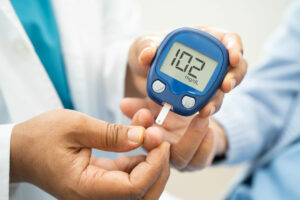
Doctor check diabetes from finger blood sugar level with finger lancet.

In short,

  • Diabetes care includes several stages, from initial consultation to annual comprehensive exams.
  • There are actionable steps you can take to help ensure you receive the right type of diabetes care, like asking your care team questions and taking action in managing your lifestyle.
  • You can live a healthy life with diabetes through healthy management techniques.

Finding a Local Wellington Diabetes Doctor for Comprehensive Care

For Wellington residents needing diabetes care, a qualified local Wellington diabetes doctor is essential. A local specialist offers personalized treatment, support, and convenient access. This fosters a strong patient-provider relationship and understanding of individual needs.

What to Expect

Diabetes care typically involves these stages:

  • Initial Consultation:Review of medical history, physical exam, and blood tests (A1C, fasting glucose, lipid panel). Discussion of lifestyle, diet, and medications.
  • Diagnosis and Treatment Planning:Diagnosis confirmation and personalized plan development based on test results. This may include lifestyle changes, medication, and monitoring.
  • Follow-up Appointments:Regular check-ups to monitor blood glucose, adjust medication, and provide education and support. Frequency depends on individual needs.
  • Annual Comprehensive Exam:Evaluation to screen for diabetes-related complications (eye exam, kidney function tests, foot exam).

Detailed Timeline and Stages

Let’s break down what you can expect during each stage of diabetes management with your Wellington doctor:

  • Initial Consultation:
    • Day 1-3:Scheduling the appointment and receiving pre-appointment instructions (e.g., fasting blood work).
    • Day 7-14:The consultation itself. Expect a thorough review of your medical history, including family history of diabetes, current medications, and any existing health conditions. A physical exam will be conducted, including checking your blood pressure, weight, and possibly a brief neurological assessment. Blood tests will be ordered to assess your blood glucose levels (A1C, fasting glucose), kidney function, and cholesterol levels.
    • Post-Consultation:Your doctor will discuss initial concerns and may provide immediate recommendations regarding diet or lifestyle.
  • Diagnosis and Treatment Planning:
    • Day 1-7 (after consultation):Blood test results are analyzed. Your doctor will contact you to discuss the results and confirm a diagnosis of prediabetes or diabetes (Type 1, Type 2, or gestational).
    • Treatment Plan Development:A personalized treatment plan is created, which may include dietary modifications (referral to a registered dietitian), exercise recommendations, oral medications (e.g., metformin), or insulin therapy (especially for Type 1 diabetes).
  • Follow-up Appointments:
    • First Follow-up (3 months):Assess your response to the initial treatment plan. Blood glucose levels are re-checked (A1C). Medication adjustments may be made based on your progress. Education and support are provided to address any challenges you’re facing.
    • Subsequent Follow-ups (Every 3-6 months):Ongoing monitoring of blood glucose levels, medication adjustments as needed, and screening for diabetes-related complications. These appointments are crucial for preventing long-term health problems.
  • Annual Comprehensive Exam:
    • Once a Year:A comprehensive exam to screen for potential complications. This includes a dilated eye exam by an ophthalmologist to check for retinopathy, a kidney function test (urine and blood tests) to detect nephropathy, a foot exam to identify neuropathy and assess circulation, and a cardiovascular evaluation.

What are the Symptoms of Diabetes?

Diabetes symptoms vary. Some people, especially with prediabetes or type 2, may not initially notice symptoms. As blood sugar rises, common symptoms include:

  • Frequent Urination (Polyuria):Excess glucose overwhelms the kidneys, increasing urine production. This often manifests as needing to urinate multiple times during the night (nocturia).
  • Excessive Thirst (Polydipsia):Fluid loss from urination causes dehydration and thirst. This thirst is often unquenchable, even after drinking large amounts of water.
  • Unexplained Weight Loss:In type 1, the body breaks down muscle and fat for energy due to a lack of insulin. This weight loss can be rapid and significant, even with increased food intake.
  • Increased Hunger (Polyphagia):Cells don’t receive glucose, leading to persistent hunger. Despite eating more, individuals may continue to lose weight.
  • Blurred Vision:High blood sugar pulls fluid from the eyes’ lenses, affecting vision. This can cause fluctuating vision and difficulty focusing.
  • Slow-Healing Sores:High blood sugar impairs wound healing, increasing infection risk. Even minor cuts and scrapes can take weeks or months to heal.
  • Frequent Infections:High blood sugar weakens the immune system. Common infections include urinary tract infections (UTIs), yeast infections, and skin infections.
  • Numbness or Tingling in Hands or Feet (Neuropathy):High blood sugar damages nerves. This can cause pain, burning, tingling, or numbness, typically starting in the toes and fingers and progressing upwards. Prevalence estimates suggest that up to 50% of people with diabetes develop some form of neuropathy.
  • Fatigue:Lack of energy due to cells not receiving glucose. This fatigue can be persistent and debilitating, affecting daily activities.

Are There Prevention Strategies for Diabetes?

While type 1 diabetes isn’t preventable, lifestyle changes can reduce the risk of type 2:

  • Maintain a Healthy Weight:Losing even a small amount of weight can reduce your risk. Aim for a healthy BMI. If you are overweight, losing just 5-7% of your body weight can significantly lower your risk.
  • Eat a Healthy Diet:Focus on whole foods, including fruits, vegetables, whole grains, and lean protein. Limit sugary drinks and processed foods. Choose whole-grain bread and pasta over refined grains. Replace sugary sodas with water or unsweetened tea.
  • Engage in Regular Physical Activity:Aim for 150 minutes of moderate-intensity exercise per week, plus strength training twice a week. This could include brisk walking, cycling, swimming, or dancing. Strength training can involve lifting weights or using resistance bands.
  • Get Enough Sleep:Aim for 7-8 hours of quality sleep. Establish a regular sleep schedule and create a relaxing bedtime routine.
  • Manage Stress:Practice stress-reducing techniques. Try meditation, yoga, deep breathing exercises, or spending time in nature.
  • Quit Smoking:Smoking increases the risk of type 2 diabetes. Seek support from your doctor or a smoking cessation program.

Living With Diabetes

Managing diabetes is a commitment, but with care and lifestyle adjustments, individuals can live healthy lives. Here are daily management tips:

  • Monitor Blood Sugar Regularly:Check your blood sugar as directed and track readings. Keep a log of your blood sugar levels and share it with your doctor.
  • Follow Your Meal Plan:Work with a dietitian to create a plan that meets your needs. Plan your meals in advance and pack healthy snacks to avoid impulsive eating.
  • Take Medications as Prescribed:Adhere to your medication schedule. Use a pill organizer to help you remember to take your medications.
  • Inspect Your Feet Daily:Check for cuts, blisters, or sores. Use a mirror to inspect the bottoms of your feet.
  • Get Regular Eye Exams:Have your eyes examined annually. Early detection of eye problems can prevent vision loss.
  • Manage Stress:Practice stress-reducing techniques. Find healthy ways to cope with stress, such as exercise, hobbies, or spending time with loved ones.
  • Stay Hydrated:Drink plenty of water. Carry a water bottle with you and sip on it throughout the day.
  • Carry Medical Identification:Wear a medical ID. This will alert emergency personnel to your condition in case of an emergency.

When to Seek Immediate Care

Seek emergency care for these symptoms:

  • Severe Hypoglycemia (Low Blood Sugar):Confusion, dizziness, sweating, shaking, loss of consciousness. Administer glucose if possible and call 911 if unconscious. A blood glucose level below 70 mg/dL is generally considered hypoglycemia.
  • Severe Hyperglycemia (High Blood Sugar):Excessive thirst, frequent urination, nausea, vomiting, abdominal pain, fruity breath. This could indicate diabetic ketoacidosis (DKA). A blood glucose level above 300 mg/dL warrants immediate medical attention.
  • Signs of Infection:Fever, chills, pus, redness, swelling, or pain around a wound. Untreated infections can quickly become serious in people with diabetes.
  • Chest Pain or Shortness of Breath:Signs of a heart attack. People with diabetes are at higher risk for heart disease.
  • Sudden Vision Changes:Sudden loss of vision or double vision. This could indicate a serious eye problem.

Questions to Ask Your Doctor

Be an active participant in your care. Ask your doctor:

  • What is my target blood sugar range?
  • What are the potential side effects of my medications?
  • How often should I check my blood sugar?
  • What should I do if my blood sugar is too high or too low?
  • What are the best types of exercise for me?
  • How can I prevent diabetes-related complications?

Get Expert Care from a Local Wellington Diabetes Doctor in Wellington, FL

Getting the right care is essential when it comes to managing diabetes. Call us today at (561) 434-1935 or use our online appointment request form. Advanced Medical is ready to help you manage diabetes so you can live your best life.

Filed Under: Diabetes Tagged With: diabetes care, Diabetes symptoms, dietitian, High blood sugar, Local Wellington Diabetes Dr, managing diabetes, overweight, prediabetes, type 2

Diabetes

May 24, 2019

There are more than 100 million Americans who have diabetes or pre-diabetes – encompassing almost a third of the country’s entire population. About 84 million have pre-diabetes, and 30 million do have the condition, according to the Centers for Disease Control and Prevention (CDC).

Diabetes is a serious, chronic disease that affects the body’s ability to process glucose (sugar). Glucose provides the energy necessary for the cells in our muscles and tissues to work properly, but diabetes leads to high sugar levels which can cause serious health problems.

In 2015, diabetes was among the top 10 causes of death in this country, ranking at #7. That is why it is so important to catch the disease early, at the pre-diabetic stage, before it turns into type 2 diabetes.

Types of Diabetes

There are several different types of diabetes. Let’s take a look at the most common forms of this condition:

Gestational Diabetes

Gestational diabetes occurs only in pregnant women. If a woman develops this condition, it usually first appears in the middle of pregnancy. This condition normally disappears after the baby has been born.

If gestational diabetes is ignored, it can cause the baby to be too large. This can create problems during delivery, and the baby can develop nerve damage because there tends to be too much pressure on the baby’s shoulder during the birthing process.

A woman with gestational diabetes also has a greater chance of developing type 2 diabetes later. Therefore, it is important for the woman to continue following a healthy lifestyle of diet and exercise.

Pre-Diabetes

If a person has pre-diabetes, it is necessary for them to modify their diet in order to avoid developing type 2 diabetes. Regular exercise that the person enjoys and a healthy diet comprising foods the person likes are essential to maintaining a healthy body going forward.

If you have pre-diabetes and you continue to follow an unhealthy lifestyle, eating high-fat foods and being notably overweight, you are likely to develop type 2 diabetes within five years. That is the dangerous stage of diabetes, so it should be carefully avoided.

Type 1 Diabetes

Type 1 diabetes is a serious form of this disease, and its exact cause remains unknown. It is believed to be either an inherited disorder or caused by a virus.

This type of diabetes causes a person’s pancreas to release very small amounts of insulin or no insulin at all. Without insulin, sugar levels will continually build up in the bloodstream, causing severe side effects.

Insulin is a hormone that enables glucose to enter our cells for energy. We get glucose from the foods we eat after the food is processed by the digestive system.

This form of the disease was previously called juvenile diabetes. It usually appears during childhood or adolescence, and it requires daily insulin injections to stay alive because the pancreas is not providing the proper insulin support.

Type 2 Diabetes

Type 2 diabetes is the most common form of the disease, and it can develop at any age in a person’s life – but it usually affects people over the age of 40. With type 2 diabetes, the body doesn’t use insulin properly, even though it still produces it.

This form develops over many years, and symptoms may not be obvious. With proper nutrition, daily exercise, and maintaining a healthy weight, the development of type 2 diabetes can be delayed and even prevented.

Complications from Diabetes

Having diabetes dramatically raises the risk of many cardiovascular problems, such as a heart attack or a stroke. The presence of excessive sugar in the bloodstream can lead to nerve damage, especially in the legs – which, if left untreated, can cause a loss of all sensation in the affected limbs.

Complications often affect the feet and legs of diabetic patients. This can lead to the need for amputation of the foot, leg, or both in order to keep the diabetic person alive.

Kidney damage can also be caused by diabetes. Severe kidney damage can lead to kidney failure, which may require dialysis or a kidney transplant.

Diabetes can damage the blood vessels in the retina, potentially leading to issues in the eye. This can cause glaucoma, cataracts, and even blindness.

Family Medicine Provider in Wellington and Royal Palm Beach

Our skilled and experienced medical team at Advanced Medical Clinic is here to assist you in all of your health care needs. We practice family and internal medicine – and if you have any risk factors for diabetes, we can provide a full evaluation and treatment if necessary.

Call us at (561) 434-1935 today, or request an appointment online right now. Let us help put your mind at ease about diabetes.

Filed Under: Chronic Pain, Diabetes Tagged With: diabetes, diabetes mellitus, Type 1, type 2

Managing Diabetes: 6 Tips for Type 1 Diabetes

April 12, 2019

Contrary to popular belief, type 1 diabetes is not only a childhood disease. Although it usually strikes in people under the age of 20, it can occur at any age, in every race, and to people of every shape and size.

Diabetes is a disease that affects how the body uses glucose, a sugar that is used as a source of fuel for the body. Normally, the hormone insulin helps glucose enter the cells where it is used for energy.  People with type 1 diabetes do not produce insulin. As a result, glucose does not get into the body’s cells and stays in the bloodstream. Too much sugar in the blood makes people ill and can result in medical complications. Therefore, people with type 1 diabetes have to monitor their blood glucose levels constantly and appropriately administer insulin every day of their lives.

Unfortunately, there is no cure for type 1 diabetes, but there are many things you can do that will help you manage your condition in order to live a long and healthy life.

Get the Right Support

Every person who has diabetes should have a personal plan and a health care team. You’re in charge of putting that plan into action, but you don’t have to compile it on your own. Speak to your family medicine provider about setting up the right support for you. This should include an endocrinologist, a nutritionist, or a dietitian, and you may even want to include a podiatrist and an ophthalmologist and a diabetes educator to explain to you how to live better with the condition.

Get Regular Checks with Your Health Care Team

Talk with your health care team regularly, and keep them in the loop on your condition. High blood sugar can affect organs and tissues throughout your body. Even if your diabetes is controlled well, health problems can still arise – so it is important to get checked out regularly and watch for warning signs such as sores that don’t heal, swelling, tingling, or numbness in your hands and feet, and blurred or double vision. You should report these concerns early on so they can be treated quickly before getting worse. You can slow or even stop the damage if you act quickly.

It is vitally important to see your endocrinologist at least every 90 days and have your longer-term blood sugar levels checked. A Hemoglobin A1c test tells you and your family medicine provider what your blood sugars are doing over a 90-day period and helps tremendously in managing the disease.

Watch What You Eat and When You Eat

It is a good idea to have a healthy meal plan in place which includes complex carbohydrates, protein, fiber, lots of green, leafy vegetables, and limits to the amount of fat in your diet – especially saturated fats such as bacon, sausage, and full-fat dairy. Saturated fat raises your chance of heart disease, and with diabetes this increases your risk further. Making smart food choices can lower that risk.

Carbohydrates are found in many foods including grains, fruits and vegetables, dairy products, and sugars. They are your body’s main source of energy, but they raise your blood sugar levels faster than any other food – so knowing how many and what type of carbs you can eat can affect how well you manage your diabetes.

It is a good idea to work with your family medicine provider or dietician to establish a personalized eating plan to figure out how many grams of carbs you should be eating throughout the day and try to ensure you are eating a healthy, balanced diet.

Eating little and often rather than the usual three meals a day is more likely to keep your blood sugar levels stable than going long periods without eating.

Get Active

Regular physical activity can help you lose extra weight, keep blood sugar levels healthy, and lower your blood pressure. It can also improve your sleep, mood, and reduce feelings of stress and anxiety, which can all negatively affect blood glucose levels.

Just 5 minutes of walking can dramatically reduce your blood glucose levels. Try to find a form of exercise you enjoy, whether this be individually or in a group.

It is important to keep a close eye on your blood sugar levels before, during, and after exercise, because it can raise or lower your levels and can even trigger hypoglycemia.

Take Advantage of Advancements

Diabetes management has come a long way. Be sure to take advantage of the tools and technology that exist to help aid in the daily management of the disease.

Make sure you have a blood glucose monitor and that you do regular checks (at least four per day). Most monitors use a very small drop of blood and display the results very quickly. There is even a monitor available that requires no finger sticks at all.

Consider getting a CGM as well. A CGM is a continuous glucose monitor. The device is a small sensor you wear on the skin that reads and displays blood sugar results every 5 minutes automatically. This allows you to know what your blood sugars are doing 24 hours per day. The results display through your smartphone, and alarms signal an oncoming low or high, allowing you to stay ahead of blood sugar changes.

Instead of injections, consider an insulin pump. An insulin pump can help you manage your diabetes by matching your insulin to your lifestyle, rather than getting an insulin injection and matching your life to how the insulin is working. Insulin pumps deliver short-acting insulin 24 hours a day through a catheter placed under the skin. You then deliver insulin through the pump based on the number of carbohydrates you will eat at mealtime or to correct a high blood sugar. There is even a wireless pump available that allows you to wear it discreetly on multiple places on the body as well as swim and shower with it.

Be Kind to Yourself

Living with diabetes and its daily demands can be stressful, so it’s really important to focus on and feel good about your achievements. Don’t be overly critical of yourself if you fall short of a goal, and give yourself credit when you are successful at managing your blood sugar. Remember to do the best you can do and keep a positive attitude.

At Advanced Medical, PA, we pride ourselves in providing personal and individualized, quality health care. Our experienced medical staff take the time to get to know our patients, and we are here to help you manage diabetes and other chronic conditions. To learn more about us and the services we offer, or to arrange a visit, call us at (561) 434-1935 or request an appointment. We are always happy to answer any questions you may have about our practice and the primary care services we provide.

Filed Under: Chronic Pain, Diabetes Tagged With: diabetes, hypoglycemia, Type 1, type 2

Diabetic and Sleep Deprivation Go Hand in Hand

January 21, 2017

Sleep. We talk about it a lot; not getting enough and needing more are usually at the top of the list. For people with diabetes or those with pre-diabetes, the relationship between sleep and blood glucose level is antagonistic, as they both can negatively impact the other.

To start, not sleeping enough or sleeping too much can increase your risk for type 2 diabetes.  Additionally, diabetes complications like increased thirst and urination can make it harder for you to sleep; yet diabetes can also make you more tired and fatigued.

If you are diabetic, you know how difficult it can be to sleep if your blood glucose levels are not in check. Eating healthily and exercising are crucial to keeping blood glucose levels where they should be and in turn increasing your chances for a good night’s sleep. Test your blood sugar before bed, so that you can head off any problems that may interrupt your sleep later.

For those of you who are at risk of developing diabetes, your sleep habits can negatively impact your risk. It is not uncommon to reach for sugary and caffeinated drinks to help wake you up in the morning.  If you did not sleep well, these drinks may be your go-to, all the while adding to your weight and further increasing your risk for diabetes.

With that said, it’s also been noted that taking naps and sleeping extremely long stretches of time can also increase your risk. Disrupting your circadian rhythms and internal clock can lead to issues with your metabolism, cardiovascular system, and immune system.

So what does all this contradictory information mean when it comes to getting a good night’s sleep?  Ultimately, it means that your diet and exercise play a key role in the value of the sleep you get. If you are pre-diabetic, getting regular exercise and eating healthy can prevent diabetes as a whole and make it easier for you to sleep at night. You will also not be as fatigued during the day and can avoid the unhelpful and unnecessary naps.

For diabetics, regular exercise and diet can help keep your glucose levels within a normal range and may also help prevent the typical culprits that wake you up at night: frequent urination, restless legs, nervousness and overheating.

Diabetes Management in Wellington

If you are concerned about how your sleep is affecting your diabetes or your risk for diabetes, board-certified internal medicine specialist Dr. Ishan can help. He will assess your situation and offer lifestyle and dietary recommendations to help control your diabetes or reduce your risk. To make an appointment with our diabetes specialist in Wellington or Royal Palm Beach, request an appointment online or call (561) 434-1935 today.

Filed Under: Chronic Pain Tagged With: diabetes, sleep, type 2

Is Type 2 Diabetes Preventable?

December 23, 2016

With the alarming rise in diabetes diagnoses in recent years, it should come as no surprise that the medical community is doing all they can to thwart the increase. This includes empowering patients, both adults and children at risk of developing diabetes, through education.

There are 2 main types of diabetes: type 1 and type 2. Understanding the difference between these can help you understand your risk and prevention.

Type 1 diabetes, also called juvenile diabetes because it typically shows up in childhood, is a result of your body not producing enough insulin. While the cause is still not completely understood, genetics certainly play a critical role in its development. Type 1 diabetes accounts for 5% of diabetes in the adult population.

On the other hand, type 2 diabetes happens when your body produces enough insulin but you are resistant to it. It seems to be caused predominantly by lifestyle factors and makes up nearly 95% of adult diabetes. While genetics still may play some role, there are ways you can lower your risk for developing it.

Healthy lifestyle habits are a key component to lowering your risk. While there currently is no magic vaccine that prevents type 2 diabetes, there are simple lifestyle and diet changes that can greatly reduce your risk. These same changes also benefit other areas of your health, like your heart and lungs.

You are seven times more likely to develop type 2 diabetes if you are overweight. Moreover, if you are obese it makes you 20 – 40 times more likely to develop diabetes. Keep your weight within a healthy range to help lower your risk of developing diabetes.

Be active! Not only does exercise help you lose excess weight, but working your muscles also helps to improve their ability to use insulin and absorb glucose. This in turn can lower the stress on your insulin-making cells.

Watch what you eat. Spikes in blood sugar and insulin take a toll on insulin-making cells. This makes you more susceptible to developing diabetes. Choosing foods like whole grains that slowly and gradually increase your blood sugar and insulin, over starchy and sugary foods and drinks, can significantly lower your risk.

It goes without saying that quitting smoking can drastically increase your overall health, but did you know it could greatly reduce your risk of type 2 diabetes? Smokers are statistically much more likely to develop diabetes (and many other unnecessary diseases and disorders) than non-smokers. So please, quit smoking as soon as possible.

If you are concerned about your risk or want to be evaluated for your risk for diabetes, board-certified internal medicine specialist Dr. Ishan Gunawardene and Nurse Practitioner Shariffa Gunawardene at Wellington Advanced Medical are here to help. Through a comprehensive exam, our compassionate providers fully assess your risk, and then offer lifestyle and dietary change support. To make an appointment with one of our diabetes experts in Wellington or Royal Palm Beach, request an appointment online or call (561) 434-1935 today.

Filed Under: Chronic Pain Tagged With: diabetes, lifestyle, overweight, Type 1, type 2

Primary Sidebar

Categories

  • Accidents & Injuries
  • ADHD
  • Arthritis
  • Asthma
  • Bronchitis
  • Chronic Pain
  • Diabetes
  • Erectile Dysfunction
  • Family Medicine
  • Flu Season
  • General
  • Headache
  • health and wellness
  • Heart Health
  • High Blood Pressure
  • Hydration
  • Internal Medicine
  • Medicine
  • Migraines
  • Pain Management
  • Primary Care
  • Primary Care Provider
  • Sexual Dysfunction
  • Sexual Health
  • Stress
  • Thyroid Conditions
  • Vaccination
  • Walk-In Clinic
  • Weight
  • Weight Loss
  • Whiplash
  • Women's Health

Tags

Advanced Medical Advanced Medical Clinic Arthritis blood pressure Chronic Pain diabetes ED Erectile dysfunction family care provider in Wellington FL family care provider near me family medicine family medicine near me family medicine provider family medicine provider in Royal Palm Beach FL family medicine provider in Wellington FL family medicine provider near me family medicine provider wellington family primary care provider near me headaches Heart Disease Heart Health high blood pressure Hypertension hypertension treatment near me migraines Pain Management PCP primary care primary care in royal palm beach primary care in Wellington FL primary care near me Primary Care Near You Primary Care Physician near me Primary Care Provider primary care provider in Royal Palm Beach FL primary care provider in Wellington FL primary care provider Near Me primary care provider near you primary care providers Near Me primary care services near me primary care services near you primary care Wellington FL urgent care near me walk-in clinic walk-in clinic near me

Footer

CONTACT US

WELLINGTON OFFICE
3347 STATE ROAD 7 (441)
WELLINGTON, FL 33449
(561) 434-1935

PATIENT EDUCATION

For an A to Z listing of common conditions and treatments available, browse our interactive patient education center.

LEARN MORE

FOLLOW US

  • Home
  • Meet the Providers
  • Internal Medicine
  • Family Medicine
  • Patient Education
  • Request an Appointment
  • Contact Us
  • Blog
  • Accessibility Statement
  • HIPAA Privacy Policy
  • Sitemap
Copyright © · Advanced Medical, PA · All Rights Reserved
iHealthspot Medical Website Design and Medical Marketing by Hedy & Hopp.

At Advanced Medical in Wellington and Royal Palm Beach, Florida, we offer a high standard of primary and urgent care including internal and family medicine.